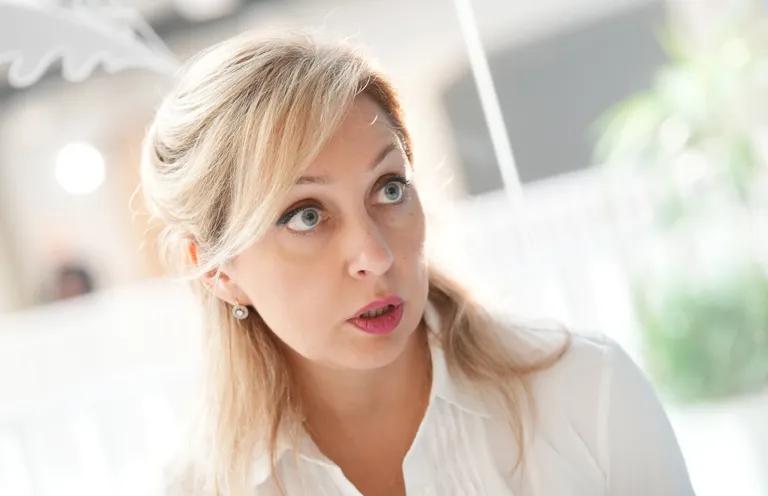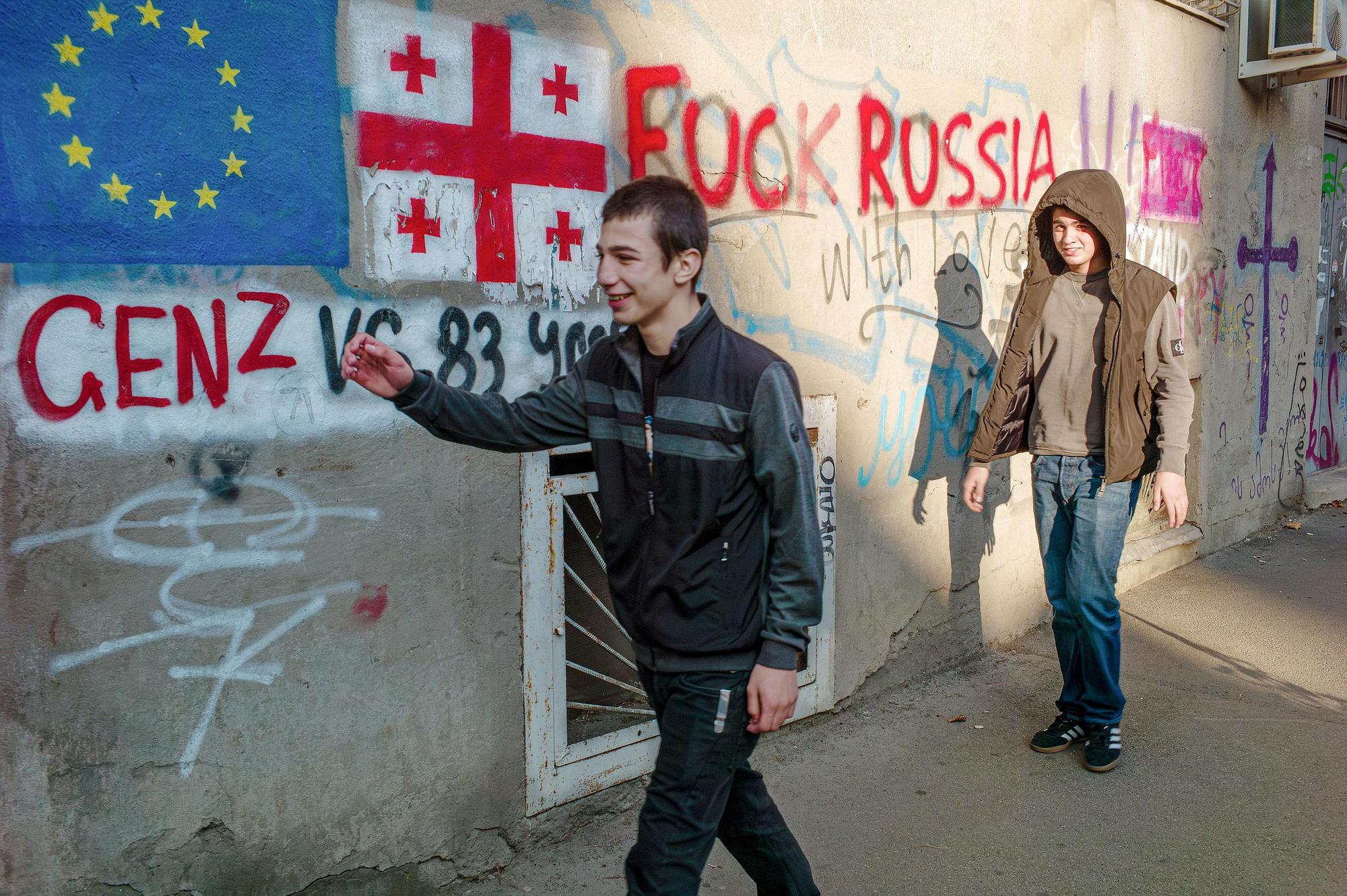
In a recent interview with Dutch publication De Groene Amsterdammer, Chavchavadze Center’s Chair of Board Bibilashvili provided a stark assessment of how Russian involvement is shaping the current political situation in Georgia.
"It's a Russian project from the beginning," Bibilashvili stated, drawing a historical parallel to occupied France during World War II. "It's not a Georgian government, but a hybrid force," he emphasized, comparing the current regime to Vichy France.
Bibilashvili traced the roots of Russian interference to the traumatic events of 2008, when Vladimir Putin launched what he described as the Russian leader's first open military attack on another sovereign nation. Following escalating violence in South Ossetia, Russian forces invaded Georgia and advanced toward the capital Tbilisi before withdrawing after five days of EU-mediated negotiations.
However, the aftermath proved more lasting than the brief military campaign. Contrary to international agreements, Russia established permanent military bases in the breakaway territories of Abkhazia and South Ossetia. "Since then, they have occupied twenty percent of our territory," Bibilashvili noted.
According to the civil society leader, the 2008 invasion served as Putin's test of Western resolve. "Then he invaded Ukraine. We predicted that here," he observed, highlighting Georgia's prescient understanding of Russian expansionist ambitions.
Bibilashvili emphasized the interconnected nature of Georgian and Ukrainian resistance to Russian aggression. "Our future is intertwined with theirs," he explained. "If they win, there's a chance Russia will withdraw from Georgia and perhaps even disintegrate."
The interview concluded with a call for broader European recognition of shared stakes in the conflict. "It's not just our struggle, but Europe's struggle too. We have the same enemy," Bibilashvili stressed.